How to Determine If the Track Chain on a Wirtgen Paver Needs to Be Replaced
The Hidden Cost of a Worn Track Chain
Your Wirtgen paver is designed to lay down perfect mats day after day. But there’s one component that, when worn, can bring your entire operation to a grinding halt: the Wirtgen track chain.
Unlike visible wear items like track pads or scraper blades, track chain wear happens gradually—often unnoticed until failure occurs. And when a track chain fails on the job site, it’s not a quick fix. You’re looking at hours of downtime, specialized repair labor, and a stalled paving project.
At LongTrust, we’ve supplied undercarriage components to paving contractors and equipment dealers for over a decade. Our track chains are used by foreign suppliers worldwide who trust our quality and reliability. Here’s what we’ve learned about identifying track chain wear before it becomes a catastrophic failure.
Why Track Chain Condition Matters
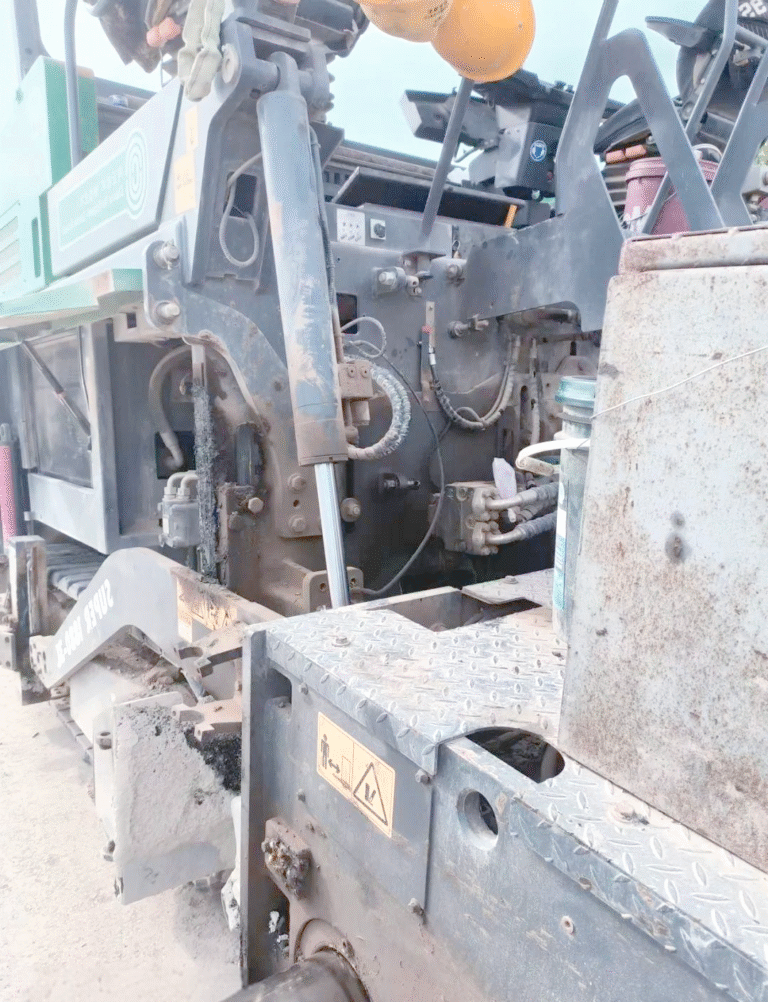
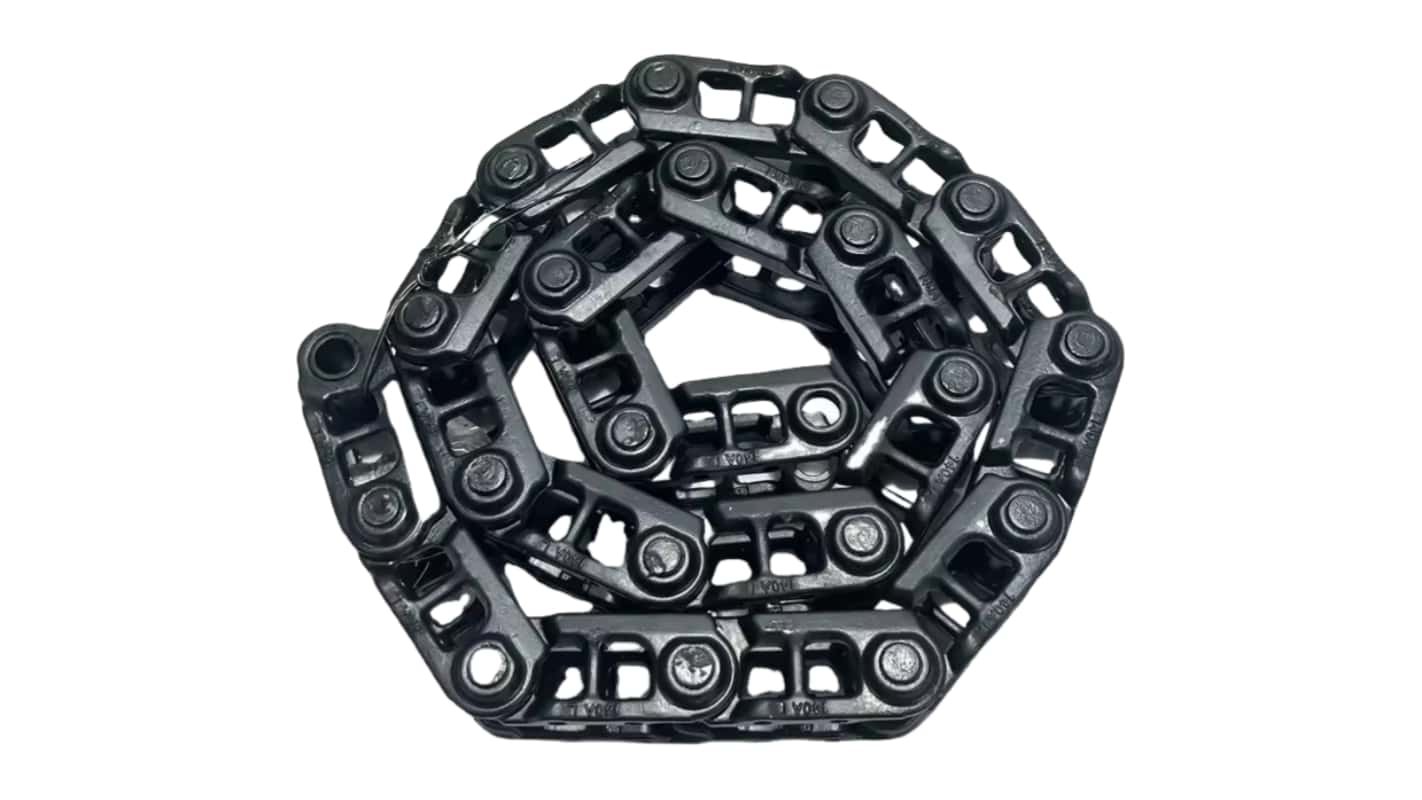
The track chain is the backbone of your paver’s undercarriage. It transmits power from the drive sprocket to the ground, supporting the machine’s weight while flexing around idlers and rollers thousands of times per hour.
A worn chain doesn’t just affect traction—it creates a cascade of damage:
- Worn chains accelerate sprocket wear, creating a mismatch that further damages both components
- Excessive play stresses rollers and idlers, leading to premature bearing failure
- Chain slap damages seals and introduces contaminants
- Uneven tension affects machine tracking and mat quality
Catching chain wear early saves not just the chain itself, but the entire undercarriage system.
Three Critical Wear Indicators
Through years of manufacturing and field observation, we’ve identified three primary indicators that determine when a Wirtgen paver track chain needs replacement:
1. Pin and Bushing Wear: The Silent Destroyer
The pins and bushings are the pivot points of your track chain. They experience constant friction as the chain wraps around sprockets and rollers. Over time, this friction wears away material—and the results are measurable.
What to Look For:
- Pin wear appears as a reduction in diameter where the pin contacts the bushing
- Bushing wear creates an elongated, oval-shaped interior surface
- Combined wear increases the distance between links (chain pitch)
Why It Matters:
When pins wear significantly, the chain effectively becomes “longer” in pitch. But here’s the dangerous part: worn pins also become weaker. A pin that has lost significant diameter can snap under load, and when a pin breaks, the chain separates. The machine stops immediately, often with damage to surrounding components.
The Tolerance Threshold:
Industry standard practice recommends replacing track chains when pin and bushing wear reaches 3-4mm of total pitch elongation. Beyond this point, the risk of sudden failure increases dramatically.
2. Roller Wear: When Small Parts Cause Big Problems
Track rollers serve a critical function: they guide the chain and distribute the machine’s weight across the track pads. But rollers also wear, and worn rollers damage chains.
What to Look For:
- Flattened or out-of-round rollers that no longer rotate smoothly
- Roller flange wear that reduces guidance capability
- Loose or missing rollers (rollers can actually fall out of severely worn chains)
Why It Matters:
Rollers that don’t rotate properly create point loading on chain links. Instead of distributing force evenly, the chain experiences concentrated stress at specific points. This accelerates fatigue and can lead to link cracking.
Even more critically, when roller wear becomes severe enough, rollers can separate from the chain entirely. A missing roller creates a gap in the chain’s contact with the sprocket and track frame, causing:
- Increased clearance between components
- Shock loading as the chain enters and exits the sprocket
- Accelerated sprocket wear as engagement becomes irregular
A chain with missing or severely worn rollers will eventually damage the drive sprocket—a much more expensive repair.
3. Chain Elongation: The Measurable Truth
Chain elongation is the most objective measure of wear. As pins and bushings wear, the overall length of the chain increases. This elongation creates two serious problems:
Problem 1: Sprocket Mismatch
Sprockets are designed to engage chain bushings at specific intervals. When the chain pitch elongates, the bushings no longer align properly with the sprocket teeth. Instead of smooth engagement, you get:
- Tooth riding (the sprocket rides on top of bushings instead of engaging between them)
- Shock loading as engagement becomes irregular
- Rapid sprocket wear (a new chain on worn sprockets, or worn chain on new sprockets, accelerates wear on both)
Problem 2: Chain Drag
As chains elongate, they cannot maintain proper tension. The result? Chain drag—the track chain literally dragging on the ground or machine components.
Chain drag causes:
- Increased power consumption (the engine works harder to move the machine)
- Accelerated wear on the chain itself and anything it contacts
- Poor machine tracking and control issues
- Risk of derailment (chains that are too loose can jump off the sprocket)
How to Measure:
Track chain elongation is measured by checking tension at multiple points along the chain. Most manufacturers specify a maximum allowable sag (often 20-30mm) between carrier rollers. If your chain consistently exceeds this spec even after adjustment, it’s time for replacement.
Additional Signs That Don’t Lie
Beyond the three primary indicators, experienced operators watch for these warning signs:
Visible Damage
- Cracked link plates (stress fractures from fatigue)
- Bent or twisted links (from impacts or overloading)
- Severe rust or pitting (indicating compromised material strength)
Operational Symptoms
- “Skipping” sensations during travel (chain jumping on sprocket)
- Unusual noises (clunking, grinding, or popping from undercarriage)
- Poor tracking (machine pulls to one side despite adjustments)
- Visible vibration in the track system during operation
Uneven Wear Patterns
Sometimes wear isn’t uniform across the chain. Inspect multiple points:
Wear PatternLikely CauseAction
Wear concentrated on one side. Misalignment, bent track frame. Inspect frame, check alignment, consider chain replacement.
Wear few links Damaged sprocket section Inspect sprocket, replace both chain and sprocket.
Consistent wear across the chain. Normal service life. Replace the complete chain set.
The Cost of Delaying Replacement
We understand the pressure to “run it one more job.” But delaying track chain replacement almost always costs more in the long run.
The Domino Effect:
If You Ignore…You Risk…Cost Multiplier
Pin/bushing wear Sprocket damage 2-3x (chain + sprocket)
Roller wear Idler/flange damage 3-4x (chain + rollers + idlers)
Chain elongation , complete undercarriage failure 5-10x (full undercarriage rebuild)
The Downtime Cost:
A planned chain replacement takes hours. An emergency chain failure takes days—and stops production completely while you source parts and complete repairs.
Why Global Suppliers Choose LongTrust Track Chains
When your Wirtgen paver needs a new track chain, you have choices. Here’s why contractors and foreign suppliers worldwide choose LongTrust:
We Are the Source Factory
Many international parts distributors purchase their track chains from LongTrust and rebrand them for local markets. When you buy from us directly, you’re getting:
- Factory-direct pricing—no middleman markups
- The same quality that global distributors trust
- Direct warranty support—we stand behind every chain
Massive Inventory, Immediate Availability
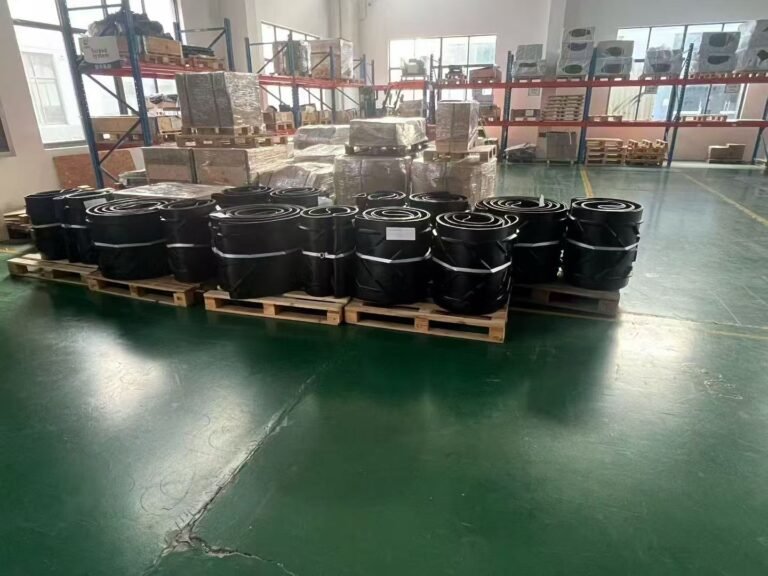
Our 6,000-square-meter facility maintains an extensive stock of Wirtgen paver track chains for popular models. Most orders ship within 24 hours. Common applications include:
Wirtgen Paver Model: Typical Chain Application
Wirtgen W 100 Series Medium-duty paving
Wirtgen W 120 Series Utility paving
Wirtgen W 150 Series Heavy-duty highway paving
Wirtgen W 200 Series Large-scale commercial paving
Premium Aftermarket Quality
Our track chains aren’t “cheap alternatives”—they’re quality replacements engineered to meet or exceed OEM specifications:
- Heat-treated pins and bushings for extended wear life
- Precision-forged links for consistent strength
- Factory-sealed rollers for contamination resistance
- Complete kits including all necessary components
Performance That Rivals OEM:
Independent testing and thousands of field hours confirm what our customers already know: LongTrust track chains deliver performance comparable to original equipment, at a fraction of the cost.
Complete Undercarriage Solutions
We don’t just sell chains. We supply everything needed for a complete undercarriage rebuild:
- Track chains (complete assemblies)
- Sprockets and segment groups
- Carrier and track rollers
- Idlers and tension systems
- Track shoes and pads
The LongTrust Advantage: Quality You Can See
What makes our track chains different? It starts with materials and continues through every manufacturing step:
| Feature | LongTrust Standard | Why It Matters |
|---|---|---|
| Pin Material | Induction-hardened alloy steel | Resists wear, maintains strength |
| Bushing Material | Carburized steel | Hard surface, tough core |
| Link Construction | Precision forged | Consistent strength, no weak points |
| Heat Treatment | Controlled atmosphere furnaces | Uniform hardness throughout |
| Assembly | Matched sets | Even wear, balanced performance |
| Inspection | 100% dimensional check | Every chain meets specifications |
| Warranty | 1-year full coverage | Complete peace of mind |
Common Questions About Wirtgen Paver Track Chains
Q: How long should a track chain last?
A: Service life varies with conditions—abrasive materials, operating surfaces, and maintenance practices all affect wear. With proper maintenance and normal use, quality track chains typically last 1,500-2,500 hours before needing replacement.
Q: Should I replace chains in pairs?
A: Yes. Always replace both left and right chains simultaneously. Mismatched chains create uneven wear patterns and tracking problems.
Q: Do I need to replace sprockets with chains?
A: Not always, but inspect sprockets carefully. Worn sprockets will damage new chains. As a rule, if sprocket teeth show significant hooking or wear, replace them with the chains.
Q: Can I reuse my existing track shoes?
A: Track shoes can often be reused if they’re in good condition. However, inspect shoes for wear, cracking, or separation before reinstalling. We offer complete track shoe kits if replacement is needed.
Q: Do you offer volume pricing for fleet operators?
A: Absolutely. As a manufacturer, we welcome partnership inquiries from contractors with multiple machines, equipment dealers, and international distributors. Contact our sales team for customized pricing.
Don’t Wait for Failure
Track chain replacement is inevitable. The only question is whether you replace them on your schedule—or wait for an emergency failure that stops production.
Signs It’s Time to Order:
- Pin/bushing wear approaching 3mm
- Loose or missing rollers
- The chain consistently drags even after adjustment
- Visible cracks or damage in links
- Machine tracking problems you can’t adjust away
- Sprocket wear accelerating
The LongTrust Difference
When you choose LongTrust for your Wirtgen paver track chains, you’re choosing:
- Source factory quality—trusted by global suppliers
- Premium materials and heat treatment
- Complete undercarriage solutions
- Massive inventory for fast shipping
- 1-year warranty on every chain
- Factory-direct pricing—unbeatable value
Performance that rivals OEM. Prices that make sense.
Contact LongTrust Today
📧 Email: longtrustcn@gmail.com
🌐 Website: www.longtrustcn.com
🏭 Facility: 6,000㎡ Manufacturing & Warehouse Center
Global suppliers trust us. You can too.
Send us your Wirtgen paver model and serial number for exact fitment matching. Most popular sizes ship within 24 hours.