How to Maintain the Heating Elements on a Paver
Why Heating Element Maintenance Matters
Your asphalt paver’s heating elements—often called heating bars or heating strips—are the unsung heroes of a quality paving job. They preheat the screed plate, ensuring that the asphalt mat achieves proper density and a smooth, uniform surface from the very first pass.
When heating elements fail, the consequences are immediate and costly:
- Cold spots in the screed create uneven mat density
- Asphalt sticks to the screed, causing drag marks and surface imperfections
- The entire paving operation slows down as operators struggle to compensate
- Repeated heating element failures eat into your maintenance budget
The good news is that proper maintenance significantly extends heating element life. At LongTrust, we’ve manufactured paver heating elements for over a decade. Our spare parts are trusted by contractors worldwide and supplied to foreign distributors who rely on our quality. Here’s our comprehensive guide to keeping your heating elements performing at their best.
Understanding Your Paver’s Heating System
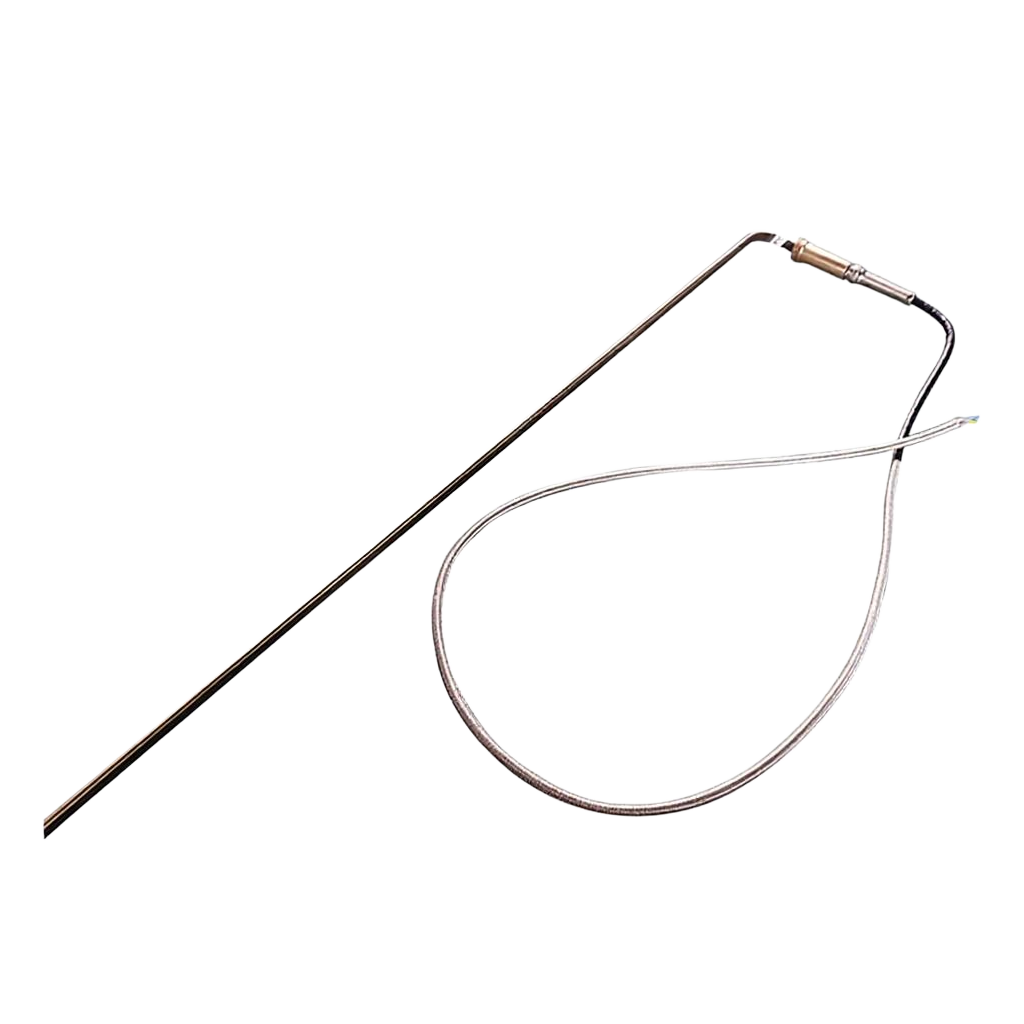
Before diving into maintenance, it helps to understand what you’re working with. Paver heating elements are typically located along the screed plate—the wide, flat surface that levels and compacts the asphalt mat. These elements:
- Generate consistent, controlled heat to prevent asphalt from cooling and sticking
- Operate at temperatures ranging from 100°C to 180°C (212°F to 356°F)
- Consist of high-resistance heating wire encased in durable, heat-resistant insulation
- Connect to the paver’s electrical system through wiring harnesses and control modules
When these elements fail, it’s often due to neglect rather than manufacturing defect. Proper maintenance dramatically extends their service life.
Three Essential Maintenance Practices
Through years of manufacturing and field observation, we’ve identified three critical maintenance practices that protect your heating elements and maximize their lifespan:
1. Regularly Clean Asphalt Buildup from the Screed Plate
This is the single most important maintenance task for heating element longevity. During normal paving operations, asphalt inevitably accumulates on the screed plate. But here’s what happens when you let that buildup persist:
The Problem:
Asphalt acts as an insulator. When thick layers accumulate on the screed, the heating elements must work harder—and stay on longer—to transfer heat through the insulation barrier. This extended duty cycle causes:
- Overheating of the heating element itself (as heat can’t dissipate properly)
- Thermal stress cycles as elements repeatedly try to overcome the insulation layer
- Premature element failure from sustained high-temperature operation
- Uneven heating across the screed surface, compromising mat quality
The Solution:
Clean the screed plate at the end of every shift—or more frequently in heavy use:
| Frequency | Action |
|---|---|
| Daily (end of shift) | Scrape hardened asphalt from screed surface using a putty knife or specialized scraper |
| Weekly | More thorough cleaning using approved solvents or mechanical methods |
| As needed | Remove any asphalt buildup immediately when you notice thickness exceeding 5-10mm |
Pro Tip: Never use sharp metal tools that can damage the heating element or screed surface. Use plastic or wooden scrapers when possible, and always exercise caution around electrical components.
2. Preheat Properly and Use Diesel Release Agents
Smart preheating and surface preparation reduce stress on your heating elements while improving paving results.
Preheat Before Paving:
Always allow adequate preheat time before starting the day’s first paving pass. Proper preheating:
- Gradually brings the screed to operating temperature, reducing thermal shock
- Ensures the first asphalt contacts a properly heated surface
- Minimizes the time heating elements must run at maximum output
The Preheating Protocol:
- Start preheating 30-45 minutes before paving begins (depending on ambient temperature)
- Monitor temperature gauges to confirm even heating across the screed
- Avoid rapid heating—use the paver’s temperature controls to bring the screed up gradually
Use Diesel Release Agents:
One of the most effective ways to protect heating elements is preventing asphalt adhesion in the first place. A diesel release agent creates a barrier between the asphalt and the screed surface, reducing the need for constant heating and aggressive cleaning.
How to Apply:
- Before paving begins, spray a light, even coat of diesel fuel onto the screed plate
- Focus on the leading edge and areas where asphalt tends to accumulate
- Reapply as needed during the day, especially after breaks or when changing asphalt mixes
Why This Works:
Diesel creates a thin lubricating layer that asphalt does not readily bond to. This:
- Reduces asphalt buildup on the screed
- Allows the screed to maintain proper temperature with less heating element runtime
- Makes end-of-day cleaning faster and easier
- Extends heating element life by reducing thermal stress cycles
Safety Note: Always use diesel in well-ventilated areas, away from open flames or sparks. Never spray near hot elements or electrical connections. Follow all manufacturer safety guidelines.
3. Inspect Electrical Connections Regularly
Heating elements don’t fail in isolation. Often, the root cause is a problem in the electrical system that delivers power to them.
Common Electrical Issues:
| Issue | Symptoms | Consequences |
|---|---|---|
| Loose connections | Intermittent heating, temperature fluctuations | Arcing damage to connectors, element burnout |
| Worn or frayed wiring | Visible insulation damage, exposed conductors | Short circuits, electrical fires, element failure |
| Corroded terminals | Green or white oxidation on connections | Increased resistance, voltage drop, reduced heating |
| Damaged connectors | Melted or cracked plastic housings | Poor contact, intermittent operation |
Inspection Protocol:
At minimum, inspect electrical connections:
- Daily: Visual check of accessible connections for obvious damage or looseness
- Weekly: More thorough inspection including tug testing of connectors and checking for heat damage
- Monthly: Clean connections, apply dielectric grease to prevent corrosion, verify all fasteners are tight
What to Look For:
- Discoloration or burning around connection points
- Melted insulation on wires near connectors
- Loose terminal screws or fasteners
- Signs of moisture intrusion or corrosion
- Cracks in connector housings or wire insulation
When to Act:
Any sign of electrical deterioration warrants immediate attention. A simple loose connection today becomes a burned-out heating element tomorrow—and possibly a larger electrical repair.
The Cost of Neglect: Why Preventive Maintenance Pays
Let’s talk about the economics of heating element maintenance. A single heating bar might seem like a small component. But consider:
- A paver typically uses multiple heating elements across its screed width
- When one element fails, the entire screed may need to be replaced or extensively repaired
- Emergency replacement parts always cost more than planned replacements
- Downtime costs far exceed the price of the parts
The Numbers:
A quality replacement heating element from a source factory like LongTrust costs under $300 wholesale. Compare that to:
| Cost Factor | Approximate Impact |
|---|---|
| One hour of paver downtime | $500–$2,000 in lost productivity, crew wages, and project delays |
| Emergency shipping for replacement parts | 2-3x standard parts cost |
| Poor mat quality requiring rework | Variable but often thousands per incident |
| Screed damage from prolonged operation with failed elements | $2,000–$10,000+ for screed repair or replacement |
The Bottom Line: Spending a few minutes on daily maintenance saves thousands in emergency repairs and downtime.
Signs Your Heating Elements Need Replacement
Even with perfect maintenance, heating elements eventually wear out. Watch for these warning signs:
Performance Symptoms
- Inconsistent mat temperature across the screed width
- Asphalt sticking despite proper preheating and release agents
- Longer preheat times than normal
- Temperature fluctuations that the control system can’t stabilize
Visual Indicators
- Visible damage to the heating element or its insulation
- Cracking or deformation of the element housing
- Burned or melted connector points
- Corrosion that cleaning can’t address
Electrical Symptoms
- Circuit breakers tripping repeatedly
- Erratic temperature readings from sensors
- Burnt smell during operation
- Visible arcing when connections are moved
When you observe any of these signs, don’t wait. Replace the affected elements before they cause secondary damage or unscheduled downtime.
Why Global Suppliers Choose LongTrust Heating Elements
When it’s time to replace your paver’s heating elements, you have choices. Here’s why contractors and foreign suppliers worldwide trust LongTrust:
We Are the Source Factory
Many international parts distributors purchase their heating elements from LongTrust and rebrand them for local markets. When you buy from us directly, you’re getting:
- Factory-direct pricing—heating bars from under $300
- The same quality that global distributors trust
- Direct warranty support—we stand behind every element
Fast Global Shipping
We understand that downtime is expensive. That’s why we offer:
| Shipping Method | Typical Delivery Time | Best For |
|---|---|---|
| Air Freight | 5-8 business days | Emergency replacements, urgent projects |
| Sea Freight | 20-35 business days | Bulk orders, planned inventory |
We handle all logistics—you simply provide the shipping destination, and we ensure your order arrives quickly and safely.
Premium Quality at Competitive Prices
Our heating elements are engineered for demanding paving conditions:
- High-quality resistance wire for consistent, reliable heat
- Durable insulation that withstands thermal cycling and mechanical stress
- Precision manufacturing for exact fit in leading paver models
- Rigorous testing before any element leaves our facility
Performance That Rivals OEM:
Our elements deliver heating performance comparable to original equipment—at a fraction of the cost. That’s why fleet operators and equipment dealers choose LongTrust for their replacement needs.
Complete Paver Heating Solutions
We don’t just sell individual heating bars. We support your entire paver heating system:
- Complete heating element kits for popular screeds
- Wiring harnesses and connectors
- Temperature sensors and controllers
- Technical support for proper installation
Common Questions About Paver Heating Elements
Q: How often should I replace heating elements?
A: With proper maintenance, quality heating elements typically last 1,500–3,000 operating hours. Replace when performance declines or visible damage appears—don’t wait for complete failure.
Q: Can I replace just one element in a multi-element screed?
A: Yes, but inspect all elements when replacing one. If one has failed, others may be near end of life. Consider full replacement for balanced performance and reduced future downtime.
Q: What paver brands do your heating elements fit?
A: We manufacture elements for all major brands including Vögele, Wirtgen, Dynapac, Bomag, and Caterpillar. Provide your paver model and screed type, and we’ll supply the correct fit.
Q: Do you offer technical support for installation?
A: Absolutely. Our team can provide guidance on proper installation procedures, torque specifications, and electrical connections.
Q: Can I get volume pricing for my fleet or resale?
A: Yes. As a manufacturer, we offer competitive wholesale pricing for distributors, fleet operators, and equipment dealers. Contact our sales team for customized pricing.
The LongTrust Difference
When you choose LongTrust for your Asphalt Paver Heating Rods, you’re choosing:
- Source factory quality—trusted by global distributors
- Competitive pricing—heating bars from under $300
- Fast global shipping—air freight in 5-8 days
- Complete product range—all major paver brands
- 1-year warranty—every element is covered
- Expert support—technical assistance when you need it
Don’t Let Heating Element Failure Stop Your Project
A few minutes of daily maintenance saves hours of downtime and thousands in emergency repairs. Clean your screed regularly, preheat properly, use diesel release agents, and inspect electrical connections.
But when replacement is inevitable, choose the quality that global suppliers trust.