how to import a mini excavator from china
China is currently the world’s largest exporter of construction machinery, with 70% of global excavators originating from China. Even in major excavator-producing nations like the United States, Chinese-made excavators remain the most widely used. Therefore, the issue of importing equipment from China has become a critical concern. Below are key considerations for importing excavators from China, which we hope will assist your business.
Importing excavators from China is a complex process requiring meticulous planning, involving multiple stages and details. To ensure the equipment is imported smoothly and meets your company’s production needs, pay close attention to the following aspects throughout the entire process:
1. Define Requirements and Select Suppliers
1. 1 Define Requirements
- First, businesses must clarify the specifications and technical parameters of the required excavator, ensuring the product meets general ISO 9001 quality standards. Understand target market requirements and standards such as the U.S. EPA Tier 4 emissions regulations and the European Euro V emissions standards. Having these standards in place will save a significant amount of time when sourcing suppliers.
- For individual users purchasing mini excavators solely for use on personal farms, orchards, or gardens, compliance with certain emission standards may not be necessary. However, you should prioritize product cost-effectiveness, warranty coverage, and post-warranty maintenance services.
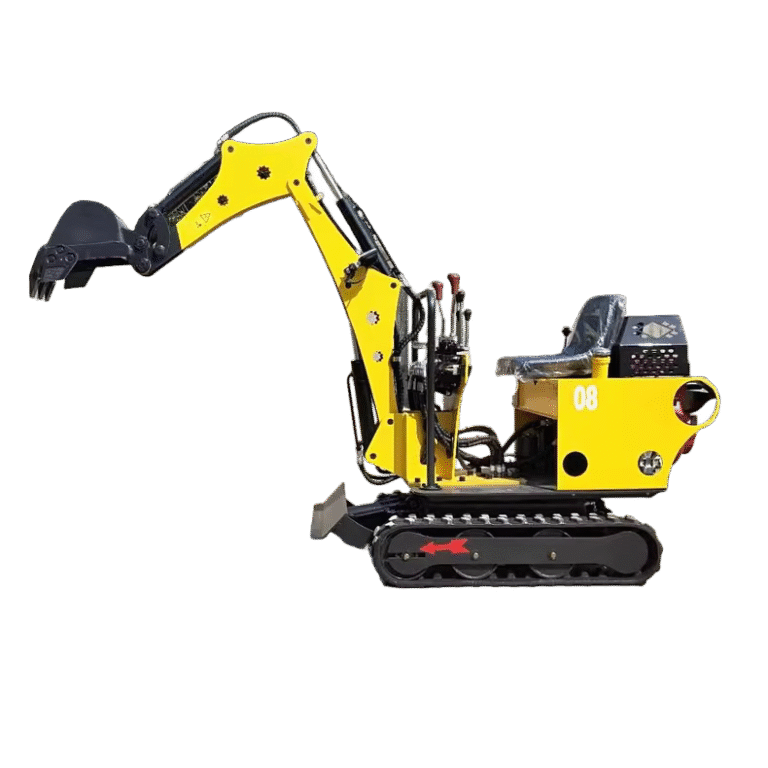
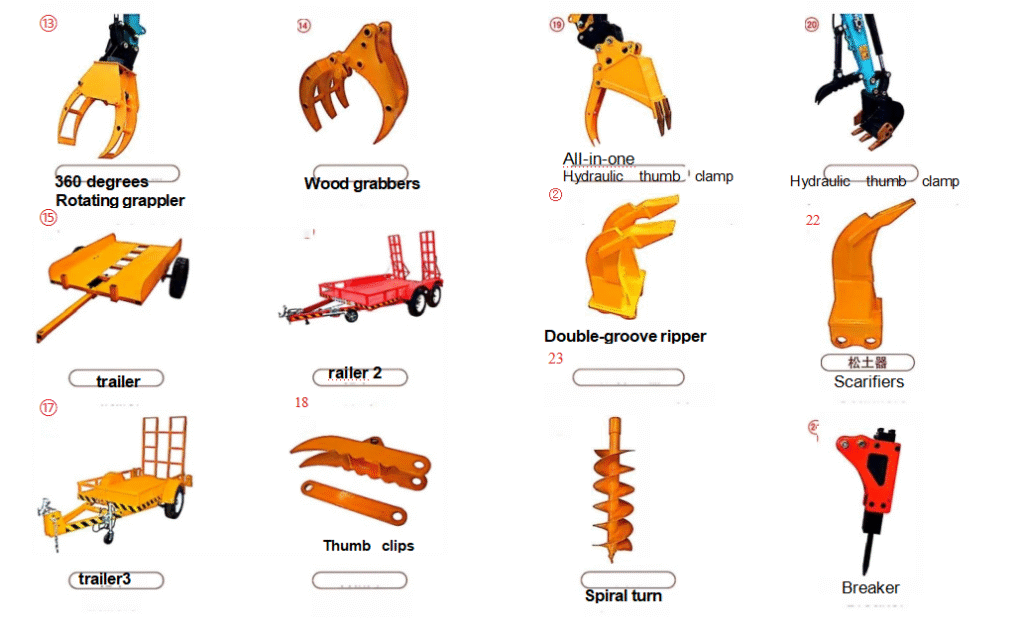
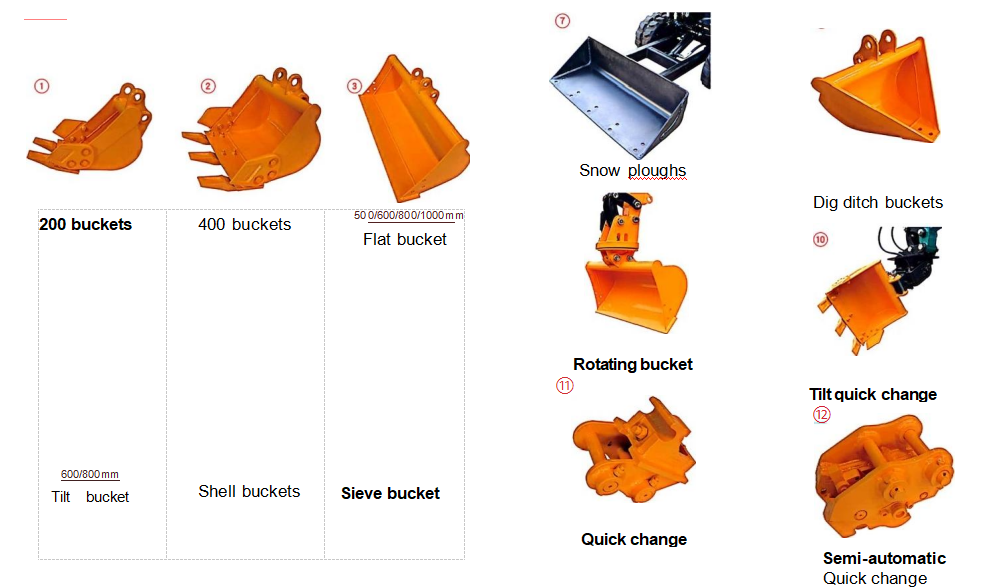
- If you operate an excavator rental business, it’s advisable to stock several units across different models and emission standards. After all, some excavators may not meet certain countries’ emission regulations but offer genuinely low prices. Chinese-made mini excavators start as low as $2,000, allowing you to recoup your investment within days when used for rental services.
1.2 Selecting Suppliers
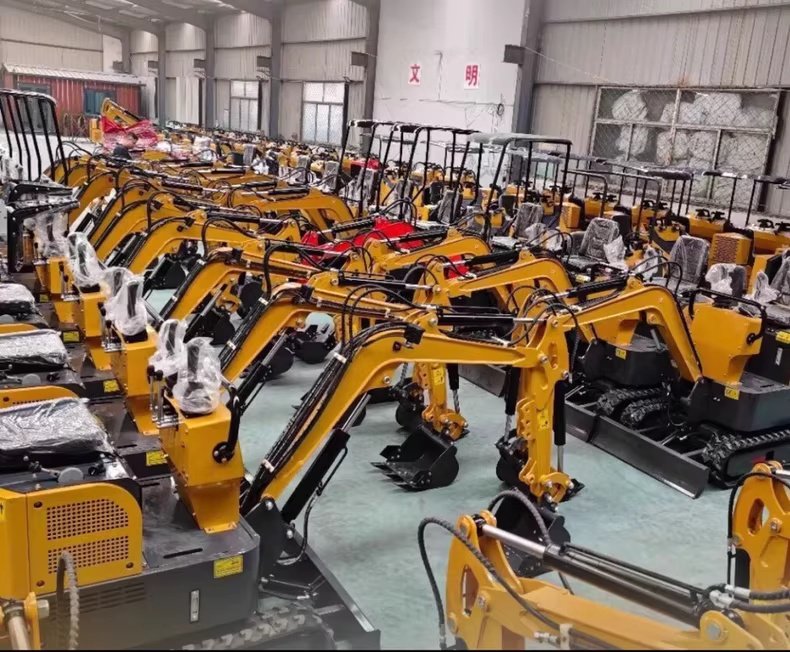
Identify suitable suppliers based on requirements and conduct comprehensive evaluations. Common supplier platforms include Alibaba and Made-in-China.com. However, these platforms host more trading companies than genuine manufacturers. Evaluation criteria encompass supplier qualifications, reputation, technical capabilities, production capacity, product quality, and service standards. Ensure suppliers possess adequate credentials and capabilities, deliver high-quality products, and can provide compliant equipment on schedule.
1.3 Why Are Chinese-Made Mini Excavators So Cheap?
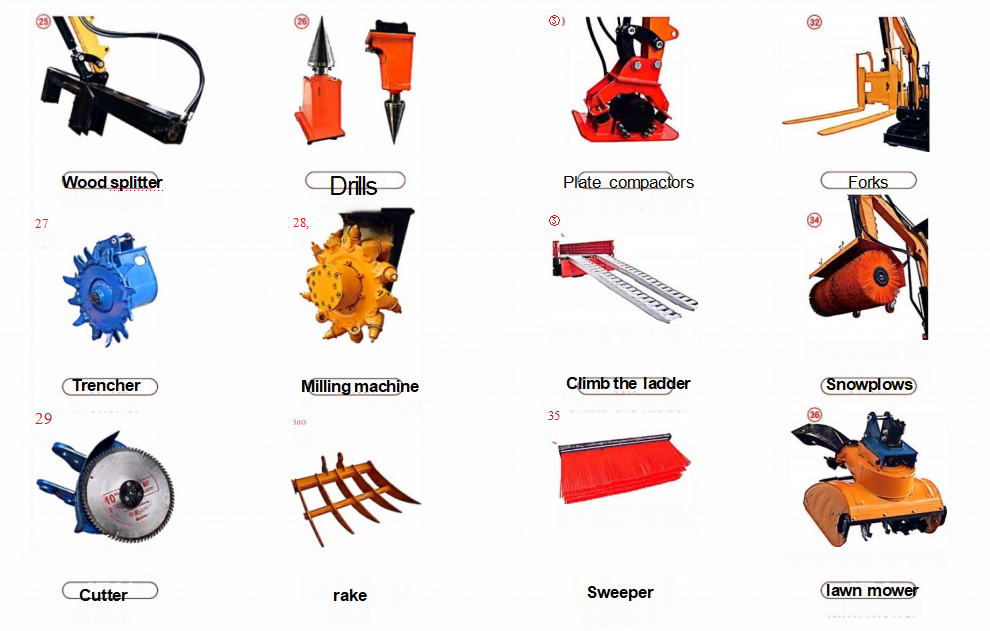
When searching for suppliers in China, you may encounter unusually low quotes—for instance, a mini excavator priced at just $2,000. You might suspect this is a trap. In reality, it’s unlikely to be one. This is because excavators on the market generally carry significant brand premiums, whereas in China, you can indeed purchase the most basic model of mini excavator for $2,000. However, these machines lack attachments, feature minimal power and torque, and meet only the most basic requirements. If your primary use is garden maintenance or infrequent operation with no demanding functional needs, and you prioritize affordability, a $2,000 mini excavator may suffice.
In China, a well-performing mini excavator meeting European emission standards typically costs around $3,000–$3,500. This is significantly cheaper than comparable models manufactured in Japan or the United States.
2. Contract Signing and Document Preparation
2.1 Signing the Contract
Negotiate and sign a purchase contract with the supplier, clearly stipulating terms such as equipment pricing, delivery schedule, and quality assurance. For excavator procurement, additional clauses must be agreed upon regarding returns/exchanges for quality issues, repair responsibilities, warranty-period maintenance obligations, and post-warranty repair services. The contract serves as a legal document defining both parties’ rights and obligations, requiring signed and stamped approval to ensure its content is authentic, accurate, and complete. This should pose no difficulty for those with long-term experience in international trade.
2.2 Prepare the documents
Customs clearance in China requires preparation of relevant documents, such as packing lists, invoices, certificates of origin, quality certificates, and equipment manuals. These documents serve as crucial supporting evidence for subsequent customs declaration and clearance procedures. Typically, suppliers will handle these for you, eliminating the need for your involvement.
3. Understand Your Country’s Import Policies and Restrictions
Before importing excavators, you need to understand your country’s import policies, technical standards, and safety requirements. This is especially important for used excavators, where you must verify import restrictions—including whether the machinery’s model, specifications, quantity, weight, and other parameters meet import standards, and whether an import license is required. Chinese suppliers will not handle these matters; you must manage them yourself.
4. Product Transportation
4.1 Selecting a Shipping Method
Based on factors such as equipment characteristics, quantity, and transportation distance, select the appropriate shipping method, such as ocean freight, air freight, road transport, or rail transport. Ensure the equipment arrives safely and on time at its destination during transit. The shipping method is your decision; Chinese suppliers will choose the mode of transport according to your requirements. Of course, different shipping methods correspond to different freight costs. Since Chinese-made mini excavators are competitively priced, regardless of the shipping method chosen, the buyer is responsible for covering the freight costs.
4.2 Selecting Logistics Providers
To ensure the timely delivery of goods, we must select reputable logistics providers with high service quality and extensive experience. We will sign transportation contracts with these suppliers to clearly define transportation responsibilities and risk allocation. The selection of logistics providers is critical to the safety and efficiency of equipment transportation. Chinese suppliers typically have long-term partnerships with logistics companies, so this aspect requires no concern on your part. Even if unforeseen incidents occur, insurance coverage will provide compensation.
5. Customs Declaration and Inspection/Release
5.1 Customs Declaration
Upon arrival of the goods, you must prepare customs declaration documents in accordance with customs requirements and declare the goods information to customs. All declaration documents must be truthful, accurate, and complete to avoid clearance delays due to documentation issues.
5.2 Customs Inspection
Customs inspects goods based on the declared information to verify whether the goods match the declaration and comply with the country’s import regulations. Enterprises must actively cooperate with customs inspections and provide the necessary supporting documentation.
5.3 Tax and Fee Payment
After customs clearance, you will be required to pay duties, value-added tax, and other applicable taxes. You should familiarize yourself with the relevant tax rates and calculation methods in advance to accurately determine the tax amount and ensure timely payment.
6. Pickup and Installation/Commissioning
After completing the above steps, customs will release the goods, and you may collect your excavator. Before pickup, you may conduct a video inspection to verify the goods’ condition and avoid potential disputes. During this process, due to the excavator’s substantial weight, pay close attention to the safety of loading and unloading operations to ensure the equipment remains undamaged during handling. Select an appropriate transportation method to move the goods. Following pickup, install and commission the equipment according to the manual and operating guidelines to ensure proper functioning.
7. Quality Inspection and Acceptance
7.1 Quality Inspection
Comprehensive Quality Inspection of Equipment
Conduct thorough quality inspections to ensure compliance with contractual quality standards and the company’s production requirements.
7.2 Equipment Trial Operation
After the equipment has operated normally for a period of time, perform a secondary acceptance inspection to confirm stable performance and suitability for production needs.
8. Risk Response and Follow-Up Management
8.1 Risk Management
Importing equipment involves numerous risks, such as transportation risks and quality risks. Companies need to develop risk mitigation strategies, including purchasing insurance and enhancing equipment inspections, to reduce potential risks and losses.
8.2 Post-Purchase Management
Post-purchase management of excavator equipment encompasses multiple aspects, such as inventory management and maintenance. Companies must establish comprehensive management systems to ensure the equipment operates normally and to extend its service life.
conclusion
Importing excavators from China is a complex process requiring meticulous planning. Businesses must thoroughly understand and comply with relevant laws, regulations, and procedures; clearly define their requirements; select suitable suppliers and transportation methods; prepare complete documentation; understand import policies and restrictions; actively cooperate with customs inspections and quarantine procedures; and pay close attention to equipment installation, commissioning, and quality inspection. Only by doing so can businesses ensure the smooth importation of equipment that meets their production needs. If you have such requirements, please contact us. LongTrust Machinery is a renowned mini excavator manufacturer and supplier in China, with products sold in over 30 countries worldwide. Contact us to receive the most competitive quotes and comprehensive after-sales service.