can you make money renting a excavator?
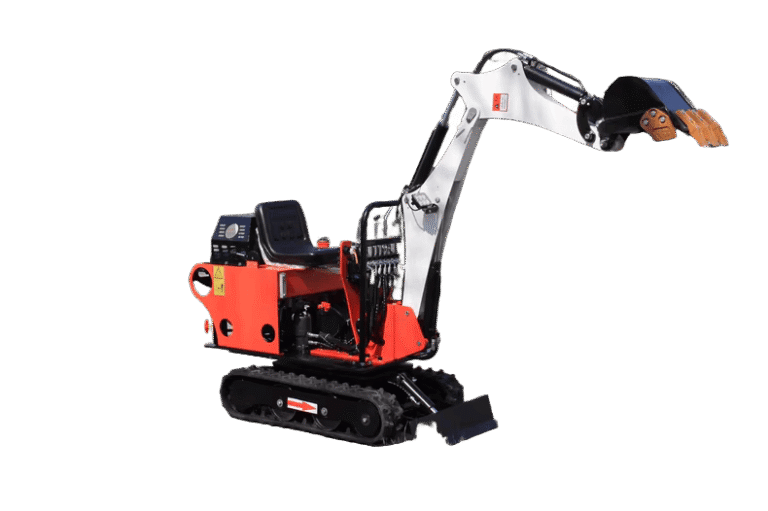
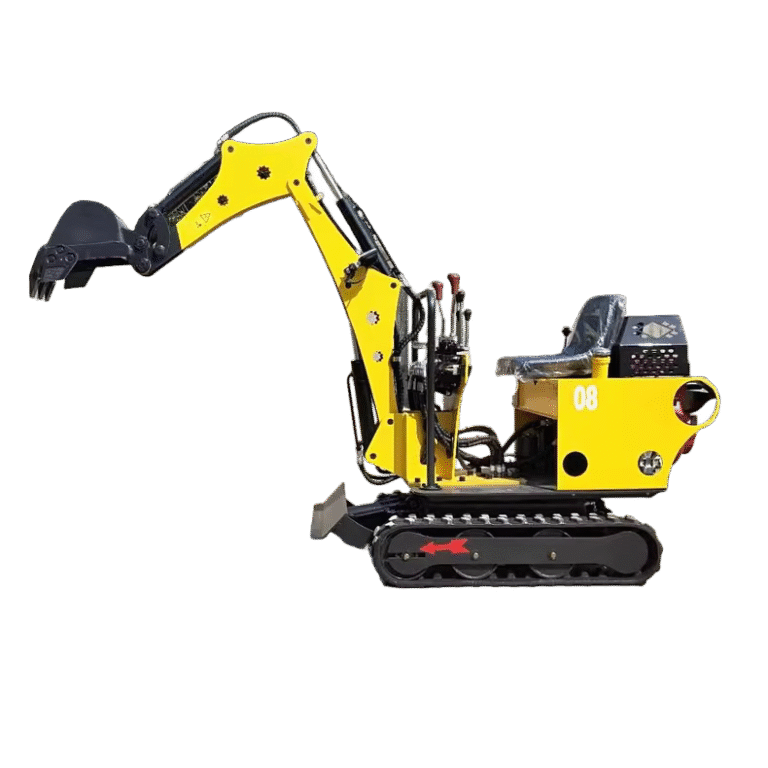
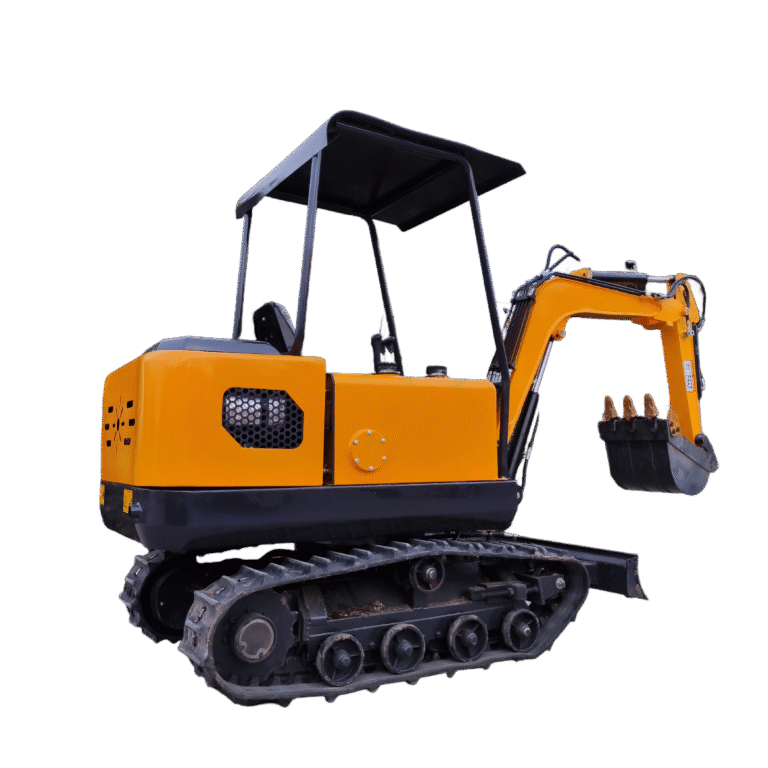
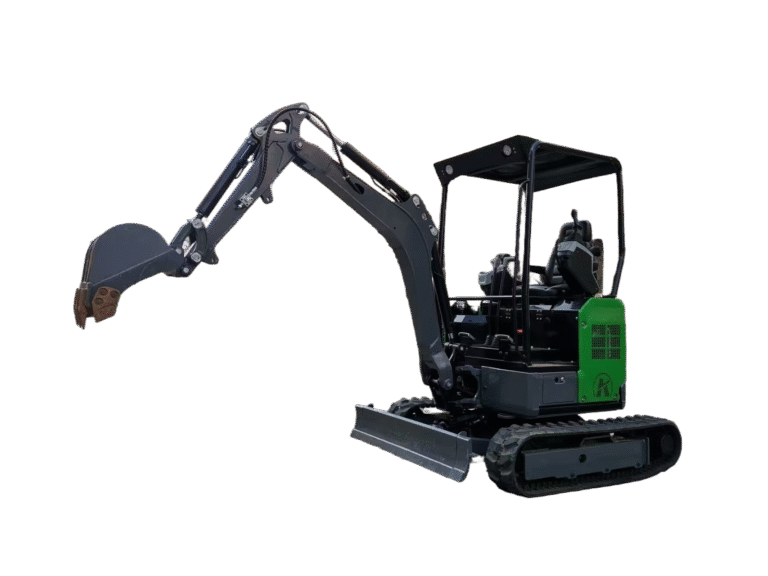
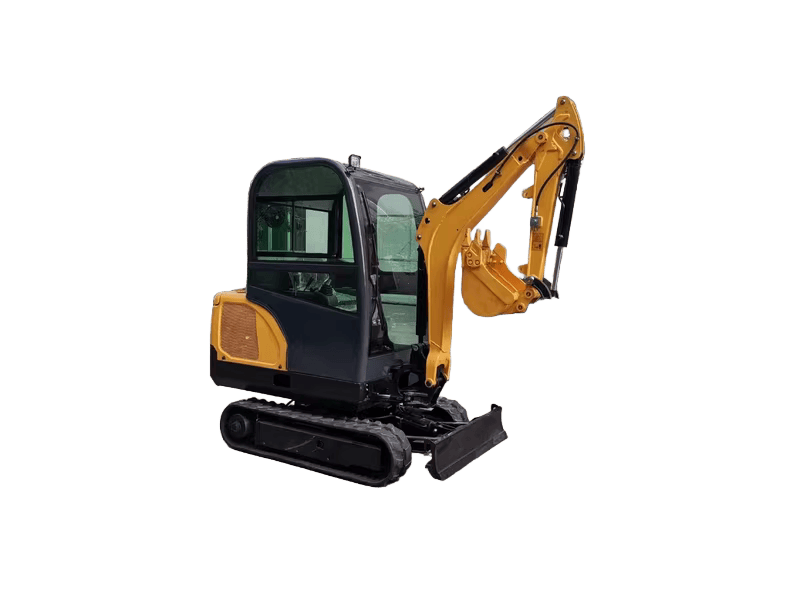
Mini excavators, as a new type of construction machinery, have now become deeply integrated into various aspects of daily life. With the growing demand across industries for compact, efficient, and multi-functional equipment, the mini excavator rental business has also flourished. Whether you aim to establish your own rental and sales company or are simply exploring investment opportunities, gaining a thorough understanding of the market is key to success.
This article will provide you with operational advice and important considerations, hoping to assist your business endeavors.
Current State of the Mini Excavator Rental Market
Mini excavators, also known as compact excavators or micro excavators, enjoy widespread market demand for several reasons:
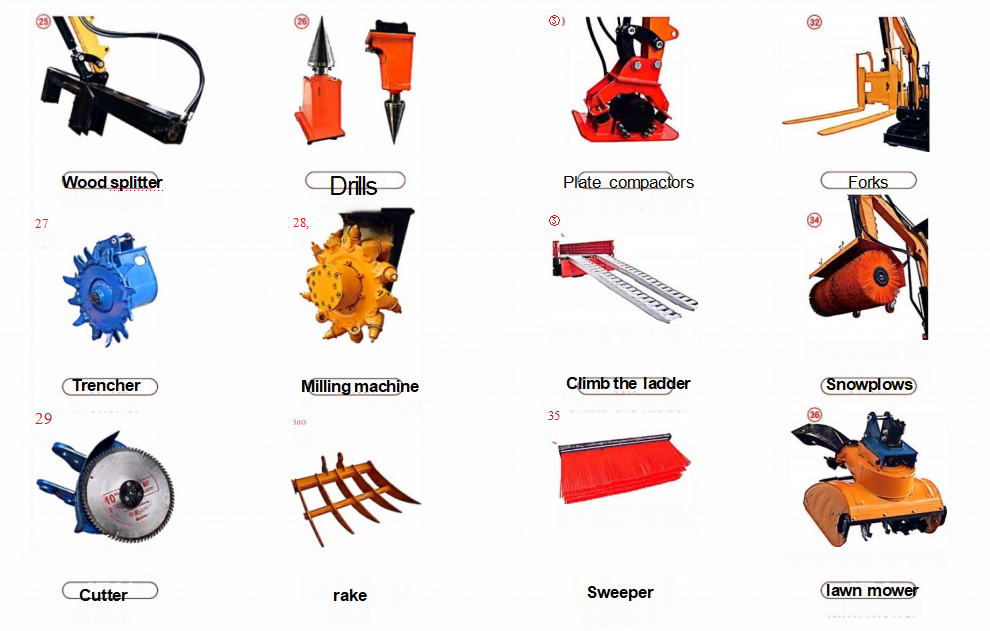
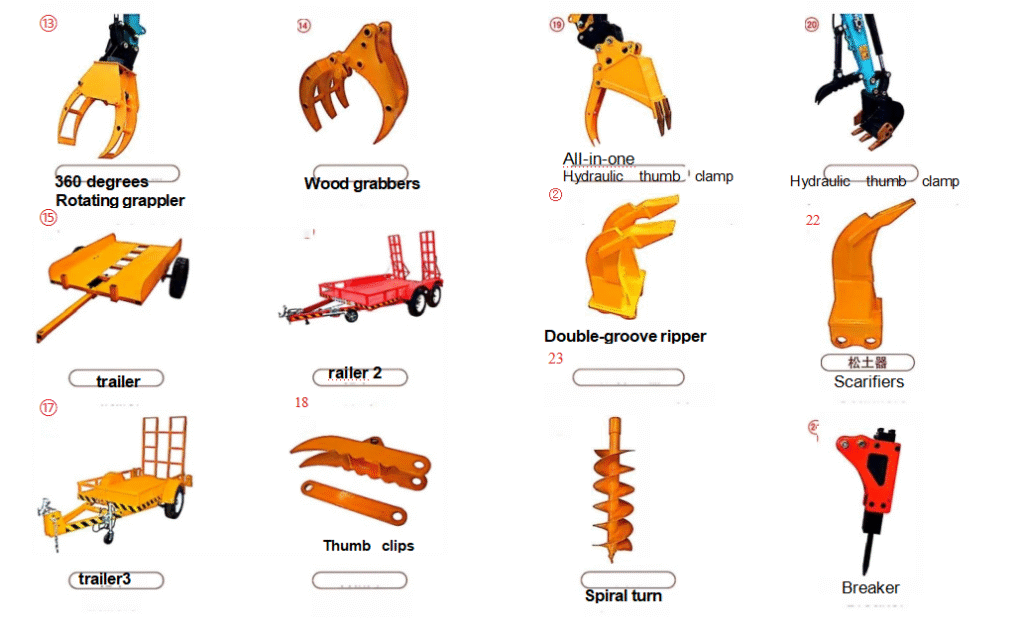
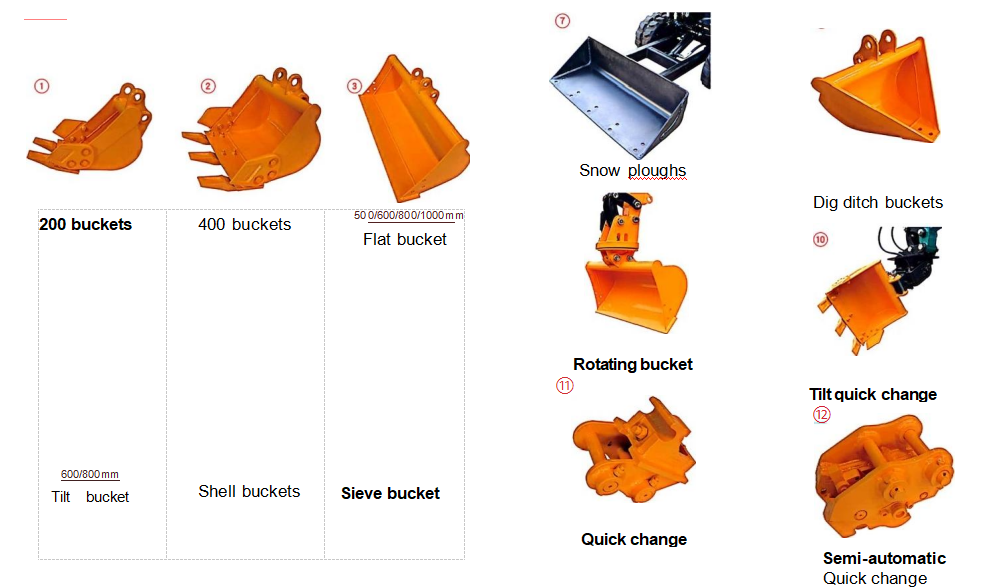
1. Versatility: Over 40 attachments available. They can dig, demolish, lift, clear debris, and even dismantle structures, significantly reducing labor requirements.
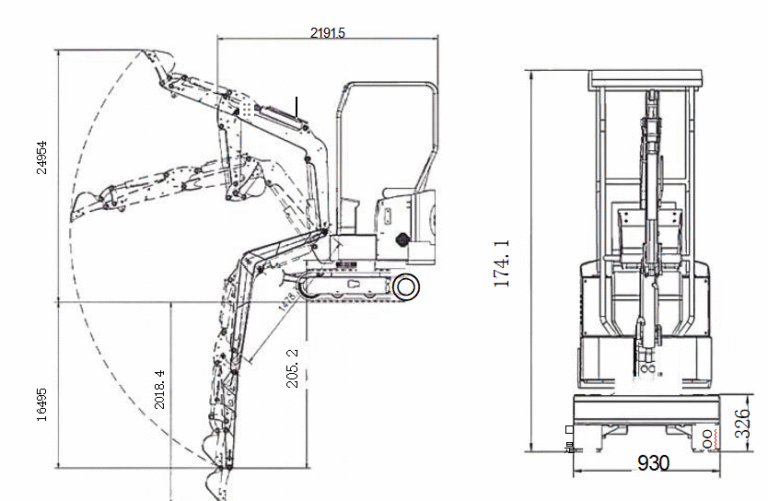
2. Compact size: With extensive maneuverability, they can access orchards, greenhouses, and even indoor spaces. Ideal for urban construction and residential renovations with limited space.
3. Ease of operation: Hydraulic joystick controls enable effortless operation even for novice operators.
4. Lower cost: Renting compact excavators proves more cost-effective than purchasing large machinery for short-term projects.
Their ability to perform diverse tasks across various environments makes them the preferred choice for both commercial and residential applications.
Key Industries Relying on Compact Excavator Rentals
Understanding your customer base is crucial for the profitability of your rental business. Common industries that rent compact excavators include:
| Industry | Primary Uses & Applications |
|---|---|
| Construction | Trenching, Site Clearing, Foundation Work |
| Landscaping | Tree Removal, Grading, Pond Digging |
| Agriculture | Orchards, Farm Irrigation, Ditching, Planting Prep |
| Utilities | Pipe Laying, Fiber Optic or Cable Trenching |
| Municipal Projects | Sidewalks, Drainage Systems, and Park Upgrades |
| Renovation | Indoor & Outdoor Remodeling, Demolition |
How to Launch a Small Excavator Rental Service
Opt for diversified business models
Multiple business models are available:
1. Pure leasing operations: Focusing on short-term leases, long-term leases, and financial leases.
2. Hybrid model: Combining leasing with equipment sales and services.
Recommendation: Integrating leasing and sales operations can significantly enhance profitability.
Startup Cost Breakdown for a Mini Excavator Rental Business
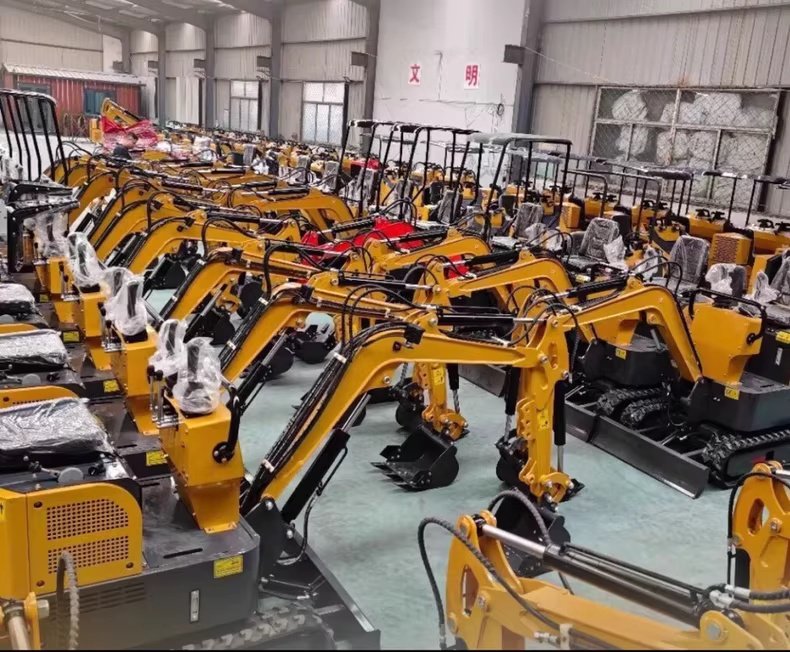
Starting a mini excavator rental company requires a significant initial investment. Below is a detailed breakdown of the expected costs to help you plan your budget effectively.(In the case of purchasing our mini excavators)
| Item / Project | Estimated Cost (USD) |
|---|---|
| Initial Capital Investment | |
| Fleet of 8-10 Mini Excavators (Various Models) | $40,000 – $80,000 |
| Attachments, Trailers & Transport Equipment | $8,000 – $10,000 |
| Subtotal (Equipment & Transport) | $48,000 – $90,000 |
| Business Setup & Operational Costs | |
| Insurance & Legal Fees | $5,000 – $10,000 |
| Marketing & Website Development | $2,000 – $5,000 |
| Subtotal (Setup & Operations) | $7,000 – $15,000 |
| Recurring Monthly Cost | |
| Office or Yard Storage Rental | $1,000 – $3,000 / month |
Selecting the Right Operational Location
Choose a location based on the following factors:
1. Accessibility: Convenient for pickups and drop-offs, minimizing transportation costs.
2. Proximity to Target Customers: Near construction zones or urban development areas.
3. Zoning Regulations: Ensure compliance with local government requirements.
4. Safety: Sufficient space for equipment parking and secure equipment storage.
Purchase the appropriate equipment
New or used mini excavator
| Option | Advantages | Disadvantages |
|---|---|---|
| New | Reliable performance, Full features | Higher cost |
| Used | Lower upfront cost, Good value if a suitable unit is found | Higher risk of repairs and unplanned downtime |
Pro tip: Consider purchasing several new units now. If you later find used equipment at a reasonable price, go ahead and buy it.
Essential Attachments and Accessories
To maximize rental income, stock the following essential attachments:
- Buckets (Backhoe, Standard, Trenching, Grading)
- Quick couplers
- Wood grabbers
- Trenchers
- Hydraulic breakers
- Spiral turners
- Thumbs for excavators
- Rippers for breaking hard soil
Offering a variety of attachments increases sales opportunities.
Licensing, Permits, and Legal Compliance
Each state or country has its own licensing regulations. Typically, you will need:
1. Business license
2. Safety filings
3. Equipment registration
4. Fire safety compliance
5. Environmental and safety compliance
Consult your local government in advance to ensure full compliance with local laws. One of my clients was forced to suspend operations for three months because they failed to obtain the required high-risk permit under local regulations.
Sign a lease agreement with the client
Your lease agreement should cover:
- Lease term and fees
- Security deposit and payment terms
- Liability for breach of contract
- Maintenance responsibilities
- Liability clauses and damages
- Usage restrictions
- Area and scope of use
- Responsibility for repairing equipment damage
Pricing Strategy and Profit Margins
Mini excavator rental fees typically range from $200 to $500 per day, depending on the machine’s size, features, and location. The most critical factor is resolving customers’ urgent needs as quickly as possible.
Competitive Pricing Techniques:
- Include optional damage waiver
- Consider seasonal promotions
- Offer the option to purchase the rented mini excavator at a low price after a long-term lease
- Offer discounts for long-term rentals
- Distribute online coupons
Average Profit Margin: 30-50% per rental, especially if your equipment is well-maintained.
Marketing Methods
Build Your Online Presence
In today’s digital age, your business must be discoverable online.
• Build a professional website that showcases your expertise
• Set up a Google My Business profile for local SEO
• Demonstrate your ability to solve customer problems and build trust
• Enable online booking and payments for convenience
Offline Marketing Strategies
• Partner with local contractors and landscape designers
• Attend industry expos and trade shows
• Offer referral bonuses to clients
Equipment Maintenance and Repair Management
To ensure equipment operates reliably and enhance customer experience:
- Inspect equipment before and after each rental
- Conduct thorough annual equipment inspections
- Schedule routine maintenance monthly or every 100 hours
- Keep spare parts and tools readily available
- Train staff to perform basic repairs
Common Mistakes to Avoid During the Leasing Process
1.Underestimating daily operational costs
2.Overlooking the potential profits from online marketing
3.Ignoring seasonal demand patterns
4.Failing to properly vet customers
5.Delaying the signing of rental agreements with clients
6.Providing ambiguous lease agreements
7.Expanding too rapidly, leading to insufficient business volume and a sudden surge in maintenance costs
Future Trends in Compact Excavator Rental
Stay ahead by monitoring these trends:
Autonomous operation and robotic excavation. Timely technology upgrades often yield earlier cost reductions.
Electric and hybrid excavators for greener operations and enhanced cost efficiency
Telematics and GPS tracking for fleet optimization and theft prevention
24/7 self-service rental platforms
Installment plans or lease financing for contractors
Frequently Asked Questions About Compact Excavator Rental Services
Q1: What is the profit margin for small excavator rental businesses?
A1: The average profit margin ranges from 30%-50%. Proper management, such as sourcing equipment directly from suppliers, can further reduce costs. Therefore, this is a highly profitable venture.
Q2: Do I need a license to rent out small excavators?
A2: Yes, most regions require a business license and may also mandate equipment registration. Consult your local government for specific regulations regarding this matter.
Q3: Can I operate the business from home?
A3: If you have sufficient space and comply with zoning regulations, operating from home is an effective way to reduce overhead costs.
Q4: How is damage handled during the rental period?
A4: Repair and liability responsibilities are agreed upon in advance and managed according to the contract terms.
Q5: Should I also provide operator services?
A5: Yes, offering skilled operators can increase sales and attract more customers.
Q6: What is the ideal initial fleet size?
A6: Starting with 8 to 10 machines allows you to test demand without overcommitting.
Conclusion:can you make money renting a excavator?
Certainly, the mini excavator rental business holds tremendous profit potential. If you purchase a mini excavator from us, based on the current market rate of ¥400 per day for mini excavator rentals, you can recoup your investment in just 8 to 15 days. Moreover, using mini excavators for construction reduces production costs, enhances work efficiency, and enjoys stable demand across multiple industries. With sound planning, regular maintenance, and solid marketing, you can build a sustainable and highly profitable business.